
Florida Home Loans & Mortgage Programs
Home loans in Florida are available through a variety of mortgage options, assistance programs and a step-by-step buying process tailored to the state’s unique housing market. This comprehensive guide covers the full scope of Florida home loans, including detailed explanations of loan types (conventional, FHA, VA, USDA and jumbo); state and local assistance programs; and the entire homebuying process from pre-approval to closing.
This guide is designed for Florida homebuyers, first-time buyers and those relocating to the Sunshine State. Understanding Florida home loans is essential because the state offers unique programs, regional differences in property values and loan limits, and specific requirements that can impact your eligibility and costs. Whether you’re purchasing your first home, moving within Florida or relocating from out of state, knowing your options and the nuances of the Florida market will help you make informed decisions and maximize your benefits.
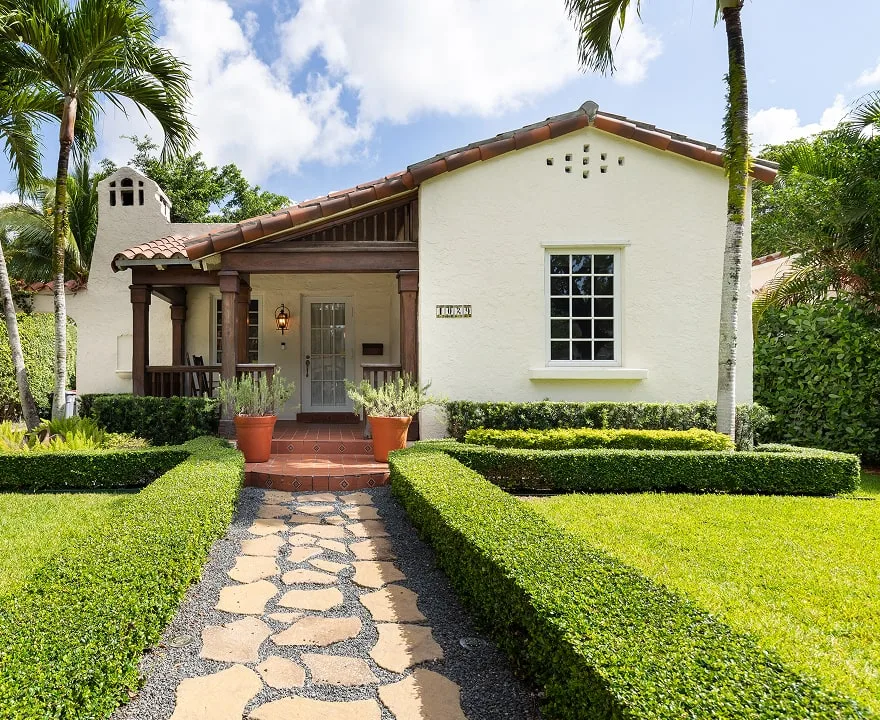
Why choose CCM for your Florida home loan?
#1
Retail Distributed Lender in FL
11,987
loans funded in FL
1
in every 30 home purchases in FL
Source: HMDA Reporting
Florida mortgage options and home loans in Florida
Major loan types available in Florida include conventional, government-backed and jumbo loans. The right loan program depends on your financial profile, the property you want to buy and where it is in the state. Here’s how the most common options compare.
-
Conventional loans
Conventional loans are popular among Florida homebuyers who have a strong credit history and sufficient down payment funds. These loans are not insured by the government and typically require a down payment of 3% to 5%. They offer competitive interest rates and flexible terms for purchasing single-family homes, condos and townhomes across Florida.
-
USDA loans in Florida’s rural areas
USDA loans provide 100% financing options for eligible buyers in designated rural and suburban areas of Florida. These loans are backed by the U.S. Department of Agriculture and help low- to moderate-income homebuyers purchase homes with no down payment.
-
FHA loans backed by the Federal Housing Administration
FHA loans in Florida are insured by the Federal Housing Administration and require a minimum down payment of 3.5%. They are designed to help first-time homebuyers and those with lower credit scores afford homeownership in Florida.
-
VA loans for veterans and service members
VA loans offer eligible veterans, active-duty service members and surviving spouses in Florida the opportunity to buy a home with no down payment and no monthly mortgage insurance. These loans are backed by the Department of Veterans Affairs and are widely used in Florida’s military communities.
-
Home equity loans
Home equity loans in Florida allow homeowners to borrow against the equity they have built in their homes. These installment loans provide a lump sum with fixed interest rates and set repayment terms, often used for home improvements, debt consolidation or other major expenses.
-
Refinance options
Refinancing in Florida can help homeowners lower their interest rates, reduce monthly payments, or access home equity through cash-out refinancing. Various refinance programs are available depending on credit, loan type and property.
-
Think you’re ready? See if you qualify for a loan today.
-
Non-QM loans
Non-qualified mortgage (Non-QM) loans in Florida are designed for borrowers who do not meet traditional lending criteria, such as self-employed individuals or those with irregular income. These loans offer flexible underwriting and documentation requirements.
-
Jumbo loans for high-value Florida properties
Jumbo loans in Florida finance homes that exceed conforming loan limits, common in high-cost markets like Miami and Palm Beach. These loans require higher credit standards and larger down payments.
-
Reverse mortgages
Reverse mortgages allow Florida homeowners aged 62 and older to convert home equity into cash without monthly payments. These loans are popular for retirees seeking additional income or to cover living expenses.
-
Construction loans for building homes in Florida
Construction loans in Florida provide financing for new home construction projects. Funds are disbursed in stages as construction progresses and can convert to permanent mortgages once construction is complete.
-
Investment property loans in Florida
Investment property loans in Florida are used to finance rental or resale properties. These loans typically have higher down payment requirements and stricter underwriting compared to primary residence loans.
-
FHA solar loans for energy-efficient homes
FHA solar loans in Florida help buyers finance solar energy systems as part of their home purchase or refinance. These loans support energy-efficient upgrades and can reduce utility costs over time.
Florida first-time homebuyer and down payment assistance programs
Florida homebuyers may have access to a variety of first-time homebuyer and down payment assistance programs. Options include CrossCountry Mortgage programs as well as programs offered through the Florida Housing Finance Corporation and participating local housing agencies. These programs can help eligible borrowers cover down payment and other upfront homebuying costs, but availability, eligibility, funding and program requirements can vary.
CrossCountry Mortgage down payment assistance programs
CrossCountry Mortgage offers down payment assistance programs that may help eligible Florida homebuyers reduce the amount of money needed upfront when purchasing a home.
CCM ZeroDown
CCM ZeroDown is a down payment assistance program designed to help qualified homebuyers purchase a home with less money required upfront. The program combines an eligible first mortgage with down payment assistance to help cover the required down payment.
Eligibility requirements, loan terms and program availability apply. A CrossCountry Mortgage loan officer can help determine whether CCM ZeroDown may be an option based on your financial profile and homebuying goals.
CCM Smart Start
CCM Smart Start provides down payment assistance for eligible first-time homebuyers. The program can help qualified borrowers reduce the upfront funds needed to purchase a home.
Income limits, first-time homebuyer requirements and other program guidelines apply. A CrossCountry Mortgage loan officer can help you review current CCM Smart Start eligibility requirements and determine whether the program may fit your situation.
Florida state and local housing assistance programs
CrossCountry Mortgage is an approved lender with participating housing finance agencies across Florida. Depending on where you are purchasing and your eligibility, state and local programs may provide down payment or other homebuying assistance. Program availability, funding, income and purchase price limits, and other requirements can vary by agency and program.
Florida Housing Finance Corporation
The Florida Housing Finance Corporation offers homebuyer programs for eligible borrowers throughout Florida. Available options may include first mortgage programs and down payment or closing cost assistance.
Programs available through Florida Housing may include:
- Florida Housing Homebuyer Program: Florida Housing offers first mortgage options to eligible homebuyers through approved participating lenders. Income, purchase price, credit, first-time homebuyer and homebuyer education requirements may apply depending on the program.
- Florida Assist (FL Assist): Florida Assist provides down payment and closing cost assistance that may be paired with eligible Florida Housing first mortgages. Assistance is structured as a deferred second mortgage, and repayment requirements apply.
- Florida Homeownership Loan Program (FL HLP): FL HLP provides eligible borrowers with down payment and closing cost assistance through a second mortgage. Unlike some deferred assistance options, monthly payments may be required.
- Florida Hometown Heroes Housing Program: The Hometown Heroes program provides down payment and closing cost assistance for eligible Florida homebuyers. Eligibility, assistance amounts, funding availability and other program requirements apply.
Escambia County
Eligible homebuyers purchasing in Escambia County may have access to regional down payment assistance programs through participating lenders. Income limits, purchase price limits, property requirements, funding availability and other eligibility requirements may apply.
Lee County
Eligible homebuyers purchasing in Lee County may have access to regional down payment assistance programs through participating lenders. Program availability, assistance amounts, income limits, purchase price limits and other requirements may vary.
Manatee County
Eligible homebuyers purchasing in Manatee County may have access to regional down payment assistance programs designed to help with upfront homebuying costs. Availability, funding, borrower eligibility and property requirements may apply.
Miami-Dade County
Miami-Dade County homebuyers may have access to regional down payment assistance programs for eligible borrowers purchasing within the county. Income, property, purchase price, funding and other program requirements may apply.
Orange County
Eligible buyers purchasing in Orange County may have access to regional down payment assistance programs through participating lenders. Program availability, income and purchase price limits, funding and other eligibility requirements may vary.
Pinellas County
Eligible homebuyers purchasing in Pinellas County may have access to regional down payment assistance programs. Assistance amounts, income and purchase price limits, funding availability, and other program requirements may vary.
CrossCountry Mortgage loan officers in Florida
CrossCountry Mortgage has mortgage loan officers serving buyers across the state. Whether you’re a first-time homebuyer, relocating to Florida or looking to refinance, our experts can guide you through the diverse mortgage options available. With deep knowledge of Florida’s unique housing markets and assistance programs, we help you find the loan that fits your needs and budget. Areas served in Florida include:
- Auburndale
- Aventura
- Boca Raton
- Celebration
- Coral Springs
- Crestview
- Dania
- Davie
- Deerfield Beach
- Delray Beach
- Destin
- Fort Myers
- Fort Pierce
- Fort Walton Beach
- Gainesville
- Lake Mary
- Lakeland
- Maitland
- Melbourne
- Miami
- Naples
- New Smyrna Beach
- Orlando
- Palm Beach Gardens
- Panama City
- Pensacola
- Ponte Vedra Beach
- Port Orange
- Sarasota
- St. Petersburg
- Tampa
- Tequesta
- Valrico
- Winter Park
A local loan officer or mortgage expert can help you navigate county-specific loan limits, assistance program eligibility and the mortgage process for your target market. Working with multiple lenders and credit unions can help you find the best mortgage points and loan terms. Real estate agents often recommend trusted loan officers to simplify your homebuying experience.
Need help choosing a loan?
Our local loan officers can help you explore your options and find a mortgage that fits your homebuying goals.
Moving to Florida? Here’s what to know about the Florida housing market
Buying in Florida can look different from one county to the next. A home search in Miami, Tampa or Orlando may raise different questions than a search in Jacksonville, Sarasota, Naples, Pensacola or a rural community.
Florida is also home to major military communities, including those surrounding Naval Air Station Pensacola, Eglin Air Force Base, Hurlburt Field, Naval Air Station Jacksonville, Naval Station Mayport, MacDill Air Force Base, Homestead Air Reserve Base and Patrick Space Force Base. Service members and military families relocating to Florida may want to explore VA loan options and work with a loan officer familiar with the housing market near their duty station.
Florida’s vacation destinations can also be popular places to relocate, purchase a second home or invest in property. Markets such as Orlando and Kissimmee, Miami and Fort Lauderdale, the Palm Beaches, the Florida Keys, Tampa Bay, Sarasota, Naples and Fort Myers, Destin and Fort Walton Beach, and the Space Coast each have distinct housing markets and property considerations.
Florida has no state income tax, which can be attractive to relocating buyers, but housing costs vary widely across regions. Average Americans spend over 37% of income on housing costs, so understanding total ownership expenses in your target area is critical.
Key considerations for relocating buyers
| Consideration | Details |
|---|---|
| Homeowners insurance and flood insurance | Costs vary significantly by location, especially in coastal and flood-prone areas. Buyers near the coast should plan for higher insurance premiums. |
| Property taxes | Rates differ by county. Florida’s homestead exemption can reduce taxes for primary residence owners. |
| Condo project requirements | Buyers purchasing condominiums may face additional review requirements for FHA and conventional financing. |
| Military relocation | Florida has military communities throughout the state, including Pensacola, Jacksonville, Tampa, the Fort Walton Beach area, Miami-Dade and the Space Coast. Eligible service members and veterans may be able to use VA loan benefits when purchasing a primary residence. |
| Vacation and second-home markets | Popular destinations such as Orlando, Miami, the Florida Keys, Tampa Bay, Sarasota, Naples, Destin and the Space Coast may have different financing, insurance, condo and occupancy considerations depending on how the property will be used. |
| Market variation | South Florida and coastal markets often carry higher property values than inland and central communities, affecting which loan type and maximum loan amount best fits your situation. |
-
Insurance and taxes
Homeowners insurance and flood insurance costs can vary dramatically depending on your location, especially in coastal and flood-prone areas. Property taxes also differ by county, and Florida’s homestead exemption can help reduce taxes for primary residence owners.
-
Condo requirements
If you are purchasing a condominium, be aware that additional review requirements may apply for FHA and conventional financing. These requirements can impact your eligibility and the approval process.
-
Market variation
South Florida and coastal markets typically have higher property values than inland and central communities. Popular vacation and second-home markets can also have different property types, insurance considerations and financing requirements than primary-residence markets. This affects which loan type and maximum loan amount will best fit your situation.
A CrossCountry Mortgage loan officer can help relocating buyers, military families, second-home buyers and other Florida homebuyers compare loan options, understand county-specific requirements and prepare for costs that vary across the state. Use a buy calculator to estimate affordability and monthly payments to plan your purchase effectively.
Florida mortgage rates
Florida mortgage rates are subject to change based on market conditions, loan type, credit score, loan amount and other borrower-specific factors. Fixed-rate mortgages typically have terms of 15, 20 or 30 years, while adjustable-rate mortgages (ARMs) start with lower initial rates than fixed rates before adjusting based on market indices. Your annual percentage rate will depend on the specifics of your loan program, discount points and other factors.
Florida mortgage loan requirements
Mortgage requirements vary based on the loan or assistance program, borrower qualifications, property and other factors. The following are common considerations for Florida homebuyers.
-
Credit and income requirements
Credit score, debt-to-income ratio, credit history, income verification and other financial factors can affect mortgage eligibility. Florida Housing and other assistance programs may also establish their own qualifying requirements. Each loan type and assistance program has its own eligibility and underwriting criteria.
-
First-time homebuyer status
Some Florida Housing, local housing agency and down payment assistance programs may require borrowers to qualify as first-time homebuyers. Program definitions and requirements can vary, so borrowers should verify current eligibility requirements for the specific program they are considering.
-
Income and purchase price limits
Florida Housing and local housing assistance programs may establish income and purchase price limits based on the program and property location. These limits can affect eligibility for first mortgages and down payment assistance programs.
-
Homebuyer education
Some Florida Housing and other assistance programs require completion of an approved homebuyer education course. Borrowers should verify education requirements, accepted providers and timing for the specific program they are considering.
-
Approved participating lender requirement
Florida Housing down payment assistance is only available when paired with an eligible Florida Housing first mortgage originated through an approved participating program lender. It is not stand-alone down payment assistance.
-
Primary residence occupancy
Several Florida Housing and other down payment assistance programs may require the property to be occupied as a primary residence. Depending on the program, selling, refinancing, transferring title or ceasing to occupy the home may trigger repayment of outstanding assistance.
Credit unions in Florida offer competitive home mortgage options with personalized service. Working with a credit union may provide access to lower rates, reduced fees and flexible loan programs.
Our Florida homebuying process with mortgage experts
The Florida home loan process involves getting pre-approved and finding a property, but having the right guidance at each step makes the difference. Getting pre-approved can save time during the homebuying process and position you as a serious buyer.
-
Step 1: Find a loan officer
Connect with a CrossCountry Mortgage loan officer in Florida who can discuss your goals, review your financial profile, and explain which loan programs may fit your situation. Local expertise matters when navigating Florida’s county-by-county differences.
-
Step 2: Discuss your goals and explore options
Your loan officer can help determine your first-time homebuyer status, review potential program requirements for your target area and compare mortgage programs — including CCM down payment assistance programs, Florida Housing assistance, regional assistance programs, FHA loans, VA loans, USDA loans and conventional options. Pre-approval helps determine your home price range and what your estimated monthly mortgage payment may look like.
-
Step 3: Get pre-approved
Pre-approval is based on credit history and income verification. You may need to submit a mortgage application for pre-approval. A pre-approval letter shows sellers you are a qualified buyer and helps streamline the homebuying process. For reference, a $150,000 home with a $7,500 down payment costs approximately $1,617 monthly, while expected monthly rent for a comparable new home is $2,100. Buying becomes cheaper than renting after 1 year and 10 months in many scenarios and after 3 years and 6 months in others, depending on location and terms.
-
Step 4: Complete application and homebuyer education
Finalize your full mortgage application with all required documentation. If using a Florida Housing or other assistance program, complete any required homebuyer education before closing. Your loan officer will coordinate program eligibility verification, appraisal and underwriting review.
-
Step 5: Receive offer, close and ongoing support
Once your home loan is approved, you will review final loan terms, your principal and interest payment, insurance premiums and all closing costs before signing. CrossCountry Mortgage provides ongoing support after closing, whether you have questions about your mortgage, want to explore refinancing options down the road or need help understanding your home equity position over time.
Frequently asked questions
-
Florida homebuyers may have access to several first-time homebuyer and down payment assistance options. CrossCountry Mortgage offers programs including CCM ZeroDown and CCM Smart Start. CCM also participates with the Florida Housing Finance Corporation and select local housing agencies in Escambia, Lee, Manatee, Miami-Dade, Orange and Pinellas counties. Depending on location and eligibility, available options may include Florida Housing programs, Florida Hometown Heroes and regional down payment assistance programs. Program availability, funding, eligibility requirements and terms can change, so contact a loan officer to confirm current options.
-
Down payment assistance amounts vary based on the program, borrower eligibility, property location, loan amount and available funding. Florida buyers may have access to assistance through CCM programs, Florida Housing Finance Corporation programs or participating local housing agencies. Down payment assistance terms and availability should be verified before purchasing.
-
First-time homebuyer requirements vary by Florida Housing program. Some programs may require borrowers to meet a first-time homebuyer definition, while exceptions or different requirements may apply to certain borrowers or programs. Local housing agencies and CCM down payment assistance programs may also have their own eligibility requirements. Review the requirements of the specific program with your loan officer.
-
HUD 2026 FHA 1-unit limits in Florida range from $541,287 (the national floor, applicable to most Florida counties) to $990,150 (Monroe County). Other notable limits include $764,750 in Collier County; $667,000 in Miami-Dade, Broward and Palm Beach counties; and $580,750 in the Jacksonville metro area. Buyers should check the HUD FHA limit lookup for their target county.
-
Florida has state-specific costs including documentary stamp tax on deeds and promissory notes, and nonrecurring intangible tax on obligations secured by Florida real property. Total closing costs vary based on loan type, property location, purchase price, taxes, insurance, lender fees and third-party fees. Buyers should review cost estimates with their loan officer rather than relying on general figures.
-
Florida Housing requires buyers to work with an approved participating program lender. A CrossCountry Mortgage loan officer can help you review Florida Housing program options, verify your eligibility and guide you through the application and loan process. Contact a Florida loan officer to get started.