
New York Home Loans and Mortgage Programs
This guide is designed for first-time and repeat homebuyers, veterans, and anyone interested in purchasing property in New York. Understanding New York’s unique mortgage programs and requirements can help you find a loan for your needs. If you’re searching for home loans in New York, CrossCountry Mortgage helps buyers compare mortgage options, understand down payment assistance, and connect with a mortgage loan officer who knows the local market.
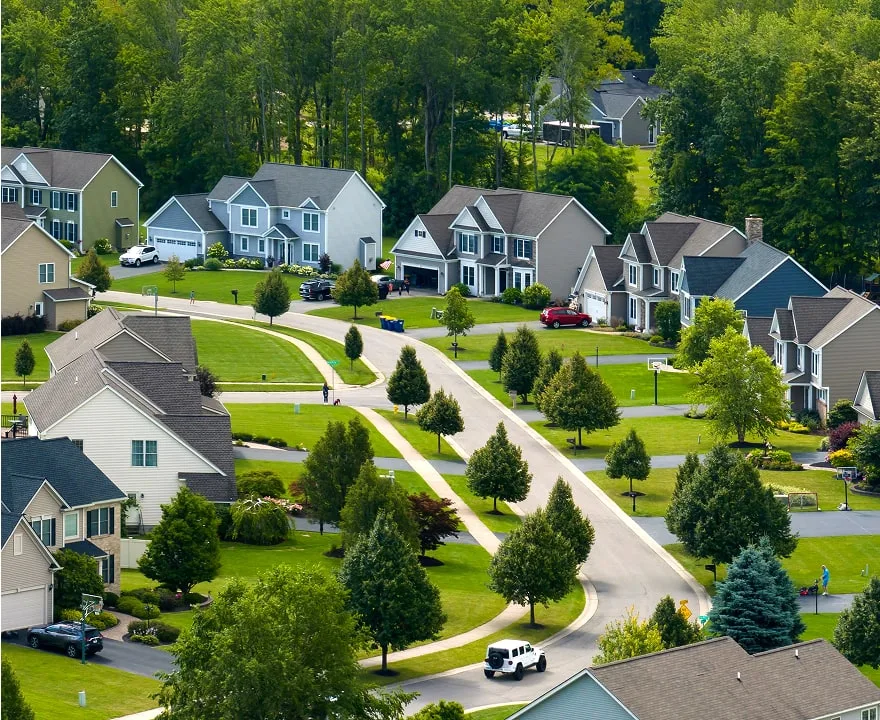
Why choose CCM for your New York home loan?
#1
Retail Distributed Lender in NY
5,429
loans funded in NY
1
in every 27 home purchases in NY
Source: HMDA Reporting
New York home loan options
Home loan options include conventional and government-backed categories in New York. Conventional loans are not insured by the government, while government-backed loans include FHA, VA, and USDA programs. Each loan type serves different buyers depending on credit score, income, down payment and the property’s purchase price. A local mortgage loan officer can help you compare current interest rates, refinance rates and identify the right mortgage for your situation.
-
Conventional loans
Conventional loans are a common choice for New York homebuyers with good credit and steady income. These loans are not insured by the government and offer both fixed and adjustable-rate options. In New York, conventional loans often require a down payment of at least 3% to 20%, with mortgage insurance generally required if the down payment is below 20%. They may be suitable for a wide range of properties including single-family homes and some condos.
-
USDA loans
USDA loans are designed for eligible buyers in rural and certain suburban areas of upstate New York. These government-backed loans offer low- or no-down-payment options and competitive interest rates. Eligibility depends on property location and household income limits set for each county, making USDA loans an option for qualified buyers seeking financing outside major metropolitan areas.
-
FHA loans
FHA loans, insured by the Federal Housing Administration, are popular among first-time homebuyers in New York. They can require a minimum down payment of 3.5% and have more flexible credit requirements than many conventional loans. FHA loan limits vary by county, with higher limits in New York City and surrounding counties to reflect local housing costs.
-
VA loans
VA loans benefit eligible veterans, active-duty service members, and certain surviving spouses in New York. These loans may require no down payment and do not have monthly private mortgage insurance premiums. New York is home to military installations and communities including Fort Drum near Watertown, Fort Hamilton in Brooklyn, the United States Military Academy at West Point and Naval Support Facility Saratoga Springs. Eligible military homebuyers relocating to or within New York can work with a local loan officer to explore VA loan options.
-
Refinance options
Refinancing allows New York homeowners to adjust their mortgage terms, potentially lower their interest rate, or access home equity for cash. Options include rate-and-term refinance and cash-out refinance. Local factors such as mortgage recording taxes and closing costs vary by county and can affect the overall refinancing process.
-
Home equity loans and lines of credit
Home equity loans and lines of credit (HELOCs) give New York homeowners access to funds by borrowing against their home’s equity. These products are commonly used for home improvements, debt consolidation, or other expenses. Eligibility and terms depend on property value, credit, and other requirements.
-
Think you’re ready? See if you qualify for a loan today.
-
Non-QM loans
Non-qualified mortgage (Non-QM) loans provide alternative underwriting options for some New York borrowers who may not meet traditional loan criteria, such as self-employed individuals or those with irregular income. These loans may have different interest rates and documentation requirements than traditional qualified mortgages.
-
Jumbo loans
Jumbo loans can be used to purchase higher-priced properties in New York City, Long Island, Westchester and other expensive markets when loan amounts exceed applicable conforming limits. These loans may have different credit, income and reserve qualifications due to the larger loan size.
-
Renovation loans
Renovation loans can help New York buyers finance home repairs or improvements as part of their mortgage. These loans may be especially useful for older properties or homes needing updates, allowing qualified borrowers to combine eligible purchase and renovation costs into a single loan.
-
Condo financing
Condo financing in New York involves specific lender requirements due to the unique nature of condominium ownership. Lenders may require detailed review of the condo association’s financials, insurance and owner occupancy rates. Loan limits and down payment requirements may vary by lender, loan program and location.
-
Co-op financing
Co-op loans in New York are distinct from traditional mortgages because buyers purchase shares in a cooperative corporation rather than real property. Financing may require lender approval of the co-op, while buyers can also face additional financial or liquidity requirements from the co-op board. Co-ops often have additional fees and rules that can affect financing and closing costs.
New York first-time homebuyer programs and down payment assistance
New York homebuyers may have access to state and lender-specific programs designed to help with financing and upfront homebuying costs. CrossCountry Mortgage is an approved participating lender with the State of New York Mortgage Agency (SONYMA) for select programs.
Program availability, funding and eligibility requirements can vary based on factors such as income, property location, purchase price and borrower qualifications.
-
State of New York Mortgage Agency (SONYMA)
SONYMA provides mortgage and down payment assistance programs for eligible New York homebuyers through participating lenders.
Select SONYMA options available through CrossCountry Mortgage include:
- Achieving the Dream
- Down Payment Assistance Loan (DPAL)
- Regional Down Payment Assistance
-
SONYMA Achieving the Dream
Achieving the Dream is a SONYMA mortgage program designed to help eligible low- and moderate-income homebuyers purchase a home in New York.
The program offers a 30-year fixed-rate mortgage with no points and allows eligible buyers to purchase with a relatively low down payment. Income, purchase price, property and borrower requirements apply and may vary by location.
Eligible buyers should speak with a participating lender to determine current program requirements and availability.
-
SONYMA Down Payment Assistance Loan (DPAL)
SONYMA’s Down Payment Assistance Loan, or DPAL, can help eligible borrowers cover down payment and closing costs when used with an eligible SONYMA mortgage.
DPAL is structured as a 0% interest loan with no monthly payments and may be forgiven after 10 years, subject to program requirements. Assistance amounts, income limits and other program requirements apply, and repayment may be required in certain circumstances, such as selling or refinancing the property before the applicable forgiveness period ends.
A CrossCountry Mortgage loan officer can help determine whether DPAL is available with your SONYMA financing and explain current program terms.
-
Regional down payment assistance
Additional down payment assistance may be available to qualified buyers based on the New York region, county or community where they are purchasing.
Because regional programs, funding and eligibility requirements can change, buyers should work with a CrossCountry Mortgage loan officer to determine which assistance programs may currently be available for their location and whether they can be paired with their mortgage financing.
-
CCM Smart Start
In addition to eligible state assistance programs, qualified first-time homebuyers in New York may be able to take advantage of CCM Smart Start, CrossCountry Mortgage’s down payment assistance program.
CCM Smart Start contributes 2% of the purchase price toward an eligible first-time homebuyer’s down payment, with assistance of up to $5,250 depending on qualifying income.
At least one occupying borrower must be a first-time homebuyer, and qualifying income must be at or below 80% of the Area Median Income (AMI) for the county where the property is located. Additional terms and eligibility requirements apply.
Homebuyer education and homeowners insurance
Some New York assistance and mortgage programs may require completion of a homebuyer education course. These courses can cover budgeting, the home buying process and long-term homeownership responsibilities, including understanding homeowners insurance and hazard insurance.
Eligibility requirements can vary significantly by program, region, property type and Target Area status. Limits apply, and buyers should confirm current program availability and requirements with a participating lender.
CrossCountry Mortgage loan officers and areas served in New York
CrossCountry Mortgage has local loan officers across New York who understand county-specific loan limits, available state assistance programs and the unique requirements of different markets. Whether you’re purchasing in a co-op-heavy neighborhood in Manhattan, a single-family home in the Hudson Valley, a home near Fort Drum or a property in one of New York’s many recreation and vacation regions, a local mortgage loan officer with a valid NMLS ID can help you navigate available financing options.
Areas served in New York include:
Need help choosing a loan?
Our local loan officers can help you explore your options and find a mortgage that fits your homebuying goals.
Moving to New York
Buying in New York can look very different from one market to the next. A home search in New York City, Long Island or Westchester raises different questions than a search in Buffalo, Rochester, Albany, Syracuse or the Hudson Valley.
New York also offers a wide variety of communities for buyers seeking access to outdoor recreation, seasonal destinations or vacation areas. The Adirondacks include well-known destinations such as Lake George and Lake Placid, while the Catskills, Finger Lakes, Hudson Valley, Thousand Islands and Long Island are also popular recreation and vacation regions.
Buyers considering properties in these areas should discuss intended occupancy with their loan officer. Financing requirements can differ depending on whether a property will be used as a primary residence, second home or investment property.
Military households relocating within New York may also find themselves purchasing near communities such as Watertown and Fort Drum, Brooklyn and Fort Hamilton, the Hudson Valley and West Point, or the Capital Region and Saratoga Springs.
With an average home purchase value of $746,828 across the state, planning ahead for loan amount limits, assistance programs and closing costs matters. New York City buyers often weigh co-op versus condo considerations — co-ops in New York may require buyers to maintain liquid assets and post-closing reserves for board approval, while condos may have different project eligibility rules depending on the mortgage program.
County-specific factors affect nearly every aspect of the purchase:
| Factor | Description |
|---|---|
| Loan limits | Can differ between standard and designated high-cost counties |
| Assistance programs | May have regional income and purchase price caps |
| Property taxes | Vary widely across jurisdictions |
| Mortgage recording tax | Rates depend on location and loan amount |
| Co-op and condo building requirements | Differ by loan type and investor guidelines |
| Property occupancy | Financing requirements can differ for primary residences, second homes and investment properties |
A local CrossCountry Mortgage loan officer can help buyers compare loan options, understand county-specific loan limits and prepare for costs that can vary across the state.
New York mortgage rates
New York mortgage rates change frequently based on market conditions, loan type, credit score, loan amount and other factors. Rather than relying on a single statewide rate, speak with a mortgage loan officer to review current rates and available loan options based on your individual financial situation.
New York mortgage loan requirements
-
Credit and income requirements
Credit score and debt-to-income ratio are key factors that can affect loan eligibility and interest rates across home loan programs. Lenders generally require applicants to demonstrate qualifying income and sufficient funds for applicable down payment and closing costs. Documentation and underwriting requirements vary by lender and loan program.
-
Down payment requirements
Down payment amounts vary depending on the loan program and lender. Some loans may require no down payment for eligible borrowers, while others require a percentage of the purchase price. Buyers may also need to budget for mortgage insurance depending on the loan type and down payment amount. Assistance programs such as eligible SONYMA options and CCM Smart Start may be available to qualified borrowers.
-
First-time homebuyer status
Certain loan programs and assistance options require first-time homebuyer status, often defined as not having owned a principal residence during a specified period. Exceptions may apply depending on the program, borrower or geographic area. Buyers should check the eligibility criteria for the specific program they are considering.
-
Homebuyer education
Some loan and assistance programs recommend or require completion of a homebuyer education course. These courses help buyers understand the home buying process, budgeting and long-term homeownership responsibilities.
-
Income and purchase price limits
Some loan programs have income and purchase price limits that vary by region, household size and property type. Buyers should verify current limits for their area and loan program to determine eligibility.
-
Property eligibility
Eligible properties may include single-family homes, multi-family homes, condominiums, cooperatives and manufactured homes depending on the mortgage program. Specific requirements regarding property age, size, occupancy and use may apply.
-
County-specific loan limits
Conforming and FHA loan limits can vary based on property size and, for FHA financing, county. High-cost areas of New York may have higher applicable loan limits than other parts of the state. Buyers should verify the current loan limit for the county and property type where they plan to purchase.
Our New York home loan process
-
Step 1: Find a loan officer
Start by connecting with a CrossCountry Mortgage loan officer in New York. A local mortgage loan officer can help you understand county-specific considerations, available loan programs and closing cost structures.
-
Step 2: Discuss goals and options
Your loan officer will discuss your homebuying goals, assess your financial readiness, review your credit and income, and walk you through available loan options and assistance programs.
This is the time to explore whether an eligible SONYMA program, DPAL, regional down payment assistance, CCM Smart Start or another available mortgage option may work for your situation.
-
Step 3: Pre-approval
Get pre-approved to better understand your potential buying power. A pre-approval can provide an estimate of the loan amount you may qualify for based on the financial information reviewed by your lender.
You can also discuss potential SONYMA and down payment assistance eligibility during this stage.
-
Step 4: Program application
If required by your selected program, complete homebuyer education and submit your mortgage loan application with the necessary documentation. Your loan officer can help coordinate applicable program requirements as your loan moves through the approval process.
-
Step 5: Closing support
Prepare for New York-specific closing costs, which can include mortgage recording tax, transfer-related costs and, for certain transactions, additional taxes based on the property’s purchase price and location.
Your loan officer can help coordinate the mortgage process alongside other parties involved in the transaction.
Frequently asked questions
-
CrossCountry Mortgage is an approved participating lender for select SONYMA options, including Achieving the Dream, DPAL and regional down payment assistance. Eligible New York first-time homebuyers may also qualify for CCM Smart Start.
Program availability, funding and eligibility requirements can change, so buyers should contact a CrossCountry Mortgage loan officer for current program information.
-
CCM Smart Start is a CrossCountry Mortgage down payment assistance program for eligible first-time homebuyers. CCM contributes 2% of the purchase price toward the down payment, with assistance of up to $5,250 depending on qualifying income.
At least one occupying borrower must be a first-time homebuyer and qualifying income must be at or below 80% of the county Area Median Income. Additional terms and conditions apply.
-
No. CCM ZeroDown is not currently available in New York. A CrossCountry Mortgage loan officer can help New York buyers explore other eligible low-down-payment and down payment assistance options.
-
The amount of assistance available depends on the program, borrower qualifications and property location. SONYMA DPAL and regional assistance programs may provide help to eligible buyers, while CCM Smart Start provides eligible first-time homebuyers with 2% of the purchase price toward the down payment, up to $5,250 depending on qualifying income.
Program limits and funding can change, so buyers should verify current amounts and eligibility before applying.
-
First-time homebuyer requirements vary by SONYMA program and borrower circumstances. Certain exceptions may apply based on factors such as military service or property location. Buyers should review the requirements for the specific SONYMA program they are considering with a participating lender.
-
Eligible veterans, active-duty service members and certain surviving spouses may be able to use VA financing when purchasing a home in New York. The state is home to military communities around Fort Drum, Fort Hamilton, West Point and Naval Support Facility Saratoga Springs. Eligibility and loan requirements apply.
-
Mortgage options may be available for eligible second homes in New York, including properties in popular recreation and vacation regions such as the Adirondacks, Catskills, Finger Lakes, Hudson Valley, Long Island and Thousand Islands. Loan requirements differ based on how the property will be occupied, so buyers should discuss primary residence, second-home and investment-property requirements with their loan officer.
-
The 2026 FHA loan limits in New York vary by county and property type. High-cost areas may have higher limits than other parts of the state. Buyers should verify the current FHA loan limit for the specific county and property type where they plan to purchase before applying.
-
Closing costs in New York can include mortgage recording taxes, title insurance, legal fees, appraisal costs, lender fees, discount points and other transaction-related expenses. Certain transactions may also be subject to state or local transfer-related taxes. Costs vary based on loan type, property location, purchase price and other factors.
-
SONYMA mortgages are offered through participating lenders. CrossCountry Mortgage is an approved participating lender for select SONYMA programs. A local CrossCountry Mortgage loan officer can help you review applicable program eligibility and complete the mortgage application process.
-
Yes. Mortgage rates and loan terms can vary based on loan type, credit profile, property location and other factors. A CrossCountry Mortgage loan officer can help you review available mortgage options and understand the rates, payments and costs associated with each.
-
Some New York homeownership and down payment assistance programs may be available throughout the year, while others can depend on funding availability. SONYMA programs, regional assistance and lender-specific programs may have different eligibility requirements and funding periods. Contact a mortgage loan officer for current availability.