




Step-by-step process to getting the keys to your new home.
-
- monday: 8:00AM – 5:00PM
- tuesday: 8:00AM – 5:00PM
- wednesday: 8:00AM – 5:00PM
- thursday: 8:00AM – 5:00PM
- friday: 8:00AM – 5:00PM
-
Your Local CrossCountry Mortgage Loan Officer
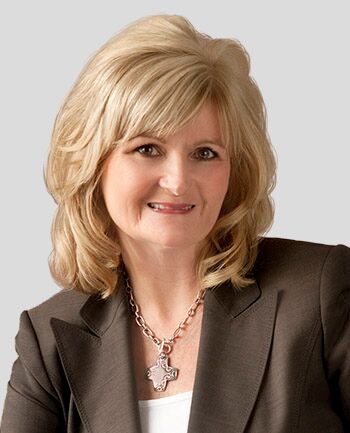
Vikki Plagens
I’ll be with you every step of the way
At America’s #1 Retail Mortgage Lender, we provide old-school service with a high-tech experience. Our Plymouth team has over 300 years of combined experience in the mortgage and real estate industry. Three of our professionals offer an impressive 40+ years of home financing experience. We put that expertise to work for you!
We take pride in our commitment to our clients and community. Our work in and out of the office is why we are well-respected by our clients, partners, and neighbors. Whether you are a first-time buyer, moving up, downsizing, or looking for a second home or investment property, we are here for you with a wide range of programs to suit your goals.
If a refinance or home equity loan is needed, we offer those, too. Let us not forget one of our fastest growing products, reverse mortgages, which give seniors the power to stay in their homes and use their equity to supplement their income or make home improvements or modifications. Whatever your dream is, we have it all!



#1
retail mortgage lender in the US
1 in 35
home purchases across the US in 2025
120+
mortgage loans available
131,000
home purchases funded in 2025
Vikki’s Reviews
Our Team
Guides and resources


My social posts
How much will your mortgage payment be?
Enter the basic loan terms (and additional information if you wish) to calculate your monthly mortgage payment and see a breakdown by category.
This calculator is being provided for educational purposes only. The results are estimates based on information you provided and may not reflect CrossCountry Mortgage, LLC product terms. The information cannot be used by CrossCountry Mortgage, LLC to determine a customer’s eligibility for a specific product or service.


Inspiration for your home loan journey



Frequently asked questions
-
Refinancing costs typically range from 2% to 6% of the loan amount and include fees such as appraisal, title insurance, and closing costs. Factors like your loan type, location, and credit score can significantly impact these expenses. Our team can help to provide strategies that can help minimize costs.
-
To determine how much home you can afford, you’ll want to assess your financial situation. This includes your income, expenses, and debt-to-income ratio, to ensure your mortgage fits comfortably within your budget. A general guideline is to spend no more than 28% of your gross monthly income on housing costs and 36% on total debt.
-
A good credit score typically starts at 620 for conventional loans, while FHA and VA loans may accept scores as low as 500, though higher scores offer better terms. A strong credit score can help you secure lower interest rates, saving you significant money over the life of a home loan.
-
A Home Equity Line of Credit (HELOC) is a revolving line of credit that allows homeowners to borrow against the equity in their home. HELOCs function like a credit card, giving access to funds up to a set limit, which can be used for expenses like renovations or debt consolidation. You only pay interest on the amount you borrow, and the repayment terms typically include a draw period followed by a repayment period.
-
To calculate your mortgage payments, start with your loan amount, interest rate, and loan term. Your payment will depend on the interest charged over time and the repayment schedule. You can use a monthly mortgage payment calculator or connect with us to learn more.
-
Reverse mortgages allow homeowners age 62+ (55+ for some proprietary reverse mortgages) to borrow against their primary residence equity, and receive the funds as a lump sum, fixed monthly payment, or line of credit. The loan doesn’t have to be repaid until the borrower sells, moves out, or passes away. (Equity is the difference between what you owe on your home [mortgage] and your home’s worth.)
-
With a traditional mortgage, you borrow money to buy or refinance a home and make monthly principal and interest payments to the lender. With a reverse mortgage, you borrow money based on your home equity (and other factors) and receive the funds directly, but monthly mortgage payments are optional. You must pay property taxes, homeowners insurance, HOA dues (if applicable) and home maintenance.
-
There are pros and cons to reverse mortgages, so it’s best to meet with an experienced reverse mortgage loan originator to understand if it’s the right choice for you. It’s important to know that there’s a lot of misinformation about these loans, so listening to a knowledgeable source is a good first step.
-
HECM stands for Home Equity Conversion Mortgage. It’s a Federal Housing Administration (FHA) insured reverse mortgage for borrowers age 62 and over. By far the most popular type of reverse mortgage, you can use it to borrow funds and stay in your current home or buy a new home if you want to relocate or rightsize. It’s for your primary residence only.
-
The most common reverse mortgage is the Home Equity Conversion Mortgage (HECM), followed by the proprietary reverse mortgage (often a jumbo loan) and the single-purpose reverse mortgage (funded by a nonprofit, state or local government).
-
You don’t need to repay the loan until you no longer occupy your home as your primary residence. The loan is most often repaid through the sale of the property, but it can also be paid through a refinance. Any remaining equity after paying off the reverse mortgage belongs to the borrower or their heirs.