House hacking, explained simply
What does “house hacking” mean?
House hacking means living in a home and renting out part of it at the same time. You might live in one unit of a duplex and rent the other unit.
The goal is simple. The rent you collect can provide extra income to help pay for your mortgage payment and other housing costs. Some people use house hacking to lower their monthly payment. Others use it to help afford a home they couldn’t buy on their own.
You are still living in the home. That’s what makes house hacking different from buying a rental property you don’t live in.
Why house hacking has become so popular
House hacking has become popular because buying a home costs more than it used to. Home prices, mortgage interest rates and rent have all gone up. For many people, paying a full mortgage on their own feels hard or even impossible.
Earning extra income from rent can help offset monthly costs and make homeownership feel more manageable. It also lets people get started in real estate without buying a second property.
For first-time buyers and new investors, house hacking can be a way to live in a home now while planning for the future.
How house hacking works
Living in one unit while renting the rest
House hacking works by living in one unit of a home and renting out the rest. This is common in a duplex, triplex or fourplex, where each unit has its own kitchen and bathroom.
Some homeowners rent out full units. Others rent bedrooms inside the home. Both options can help bring in money each month. The setup depends on the type of home and how much privacy you want.
No matter the setup, the key idea is the same. You live in part of the home while renters help pay for it.
Rental income and cash flow basics
When you house hack, you earn rental income from the space you rent out. This income can help cover your mortgage, utilities or other costs.
The money left over after expenses is called cash flow. For many homeowners, the goal is not to make a large profit. The goal is to lower monthly housing costs and make the payment easier to manage.
Some house hackers choose long-term renters who sign yearly leases. Others explore short-term rentals, where allowed by local rules. Each option has different risks and rewards, so it’s important to understand what works best for your situation.
Types of properties you can house hack
Duplex, triplex and fourplex properties
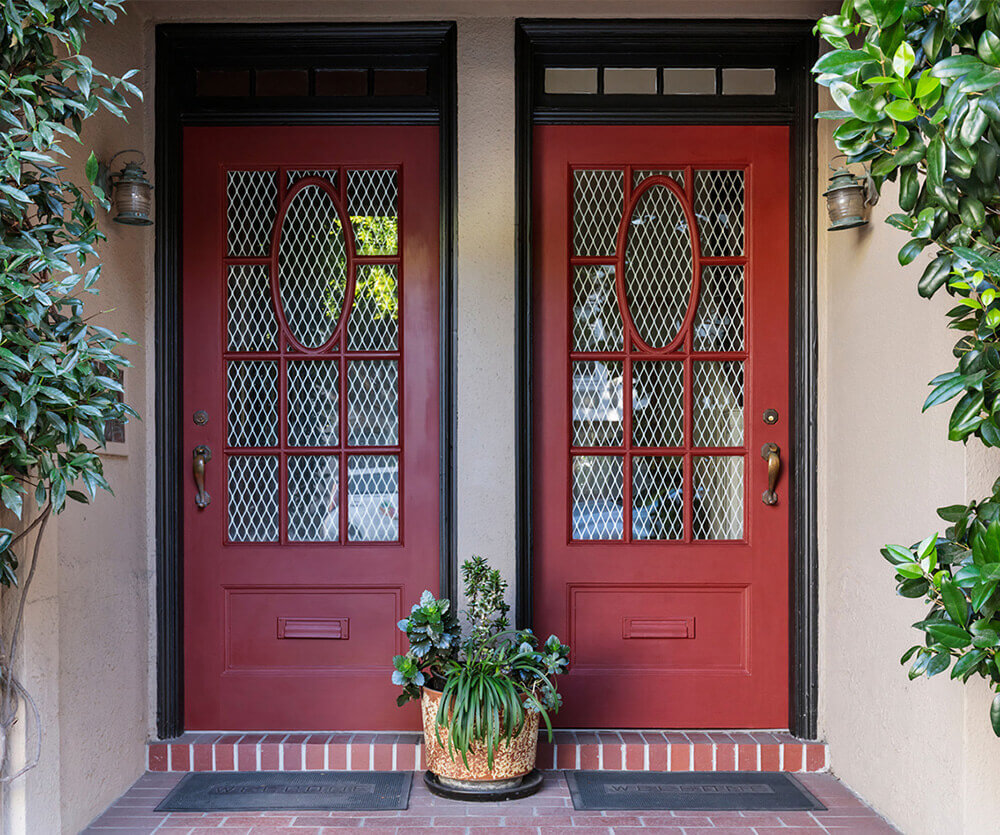
A duplex, triplex or fourplex has two, three or four separate units in one building. Each unit usually has its own kitchen, bathroom and entrance.
This setup is called owner-occupied multifamily housing. You live in one unit and rent out the others. Because each unit is separate, this option often provides more privacy and steady rental income.
Multifamily homes are one of the most common ways people get started with house hacking.
Single-family homes with rentable space
House hacking is not limited to multifamily properties. Many single-family homes can also be used for house hacking.
Some homeowners rent out extra bedrooms. Others create basement apartments or finished attic spaces. These setups can work well when the space feels separate from the main home.
Accessory dwelling units (ADUs)
An accessory dwelling unit, often called an ADU, is a small home located on the same property as a main house. It can be attached to the home or completely detached, like a backyard cottage or garage apartment.
ADUs are popular for house hacking because they offer separate living areas. Renters have their own space, and homeowners keep their main home private.
Before using an ADU for rental income, it’s important to check local zoning rules and permit requirements. Not all cities allow ADUs or rentals in the same way.
Some homes also include in-law suites. These are small living areas with their own bathroom and sometimes a kitchen. They can be a great option for house hacking while keeping more privacy.
House hacking strategies
Long-term rentals
One common house hacking strategy is using long-term rentals. This means renting to the same tenant for several months or a full year at a time.
Long-term renters often provide stable income and more consistency. For many first-time homeowners, this option feels simpler and more predictable.
Short-term rentals
Another house hacking strategy is using short-term rentals, such as Airbnb-style stays. Renters stay for a few nights or weeks instead of signing a long lease.
Short-term rentals can sometimes bring in more money, but they also come with more work and more risk. Local rules, zoning laws and homeowner association guidelines may limit or ban this type of rental. Owner-occupancy rules can also apply.
Roommate-based house hacking
Some people house hack by renting out individual rooms in their home. This approach is common in single-family homes and works well in areas near jobs, schools or public transportation.
Renting by the room can offer flexibility and steady demand. It’s also one of the easiest ways to get started, since it often doesn’t require major changes to the home.
Financing a house hack
Owner-occupied mortgage options
Most people who house hack use an owner-occupied mortgage. This means you plan to live in the home as your primary residence.
Some common options include:
- FHA loans: These allow buyers to purchase up to four units with a lower down payment.
- Conventional loans: Owner-occupied loans are another option and may offer lower mortgage insurance for some buyers.
- VA loans: May work for eligible buyers, including Veterans and Active-Duty Service Members.
Because you live in the home, these loans often have better terms than loans used only for rental properties. This can help keep your mortgage payment more affordable.
Using rental income to qualify
In some cases, lenders may allow rental income from the units you rent out to help you qualify for a loan. This can be helpful if your income alone is not enough to qualify for the home you want.
Rules vary by loan type and lender. You may need a signed lease, proof of market rent or other documents. Rental income is not always guaranteed to count, so it’s important to ask early in the process.
Working with a loan officer who understands house hacking can help you know what may be allowed.
Down payment and mortgage insurance considerations
Down payment rules depend on the type of loan you choose. FHA loans usually require a lower down payment but include mortgage insurance for the life of the loan. Conventional loans may require more money down but can offer lower mortgage insurance costs over time.
As property owners who live in the home, house hackers often balance upfront costs with long-term monthly savings. Choosing the right loan can make a big difference in how affordable the home feels month to month.
Tax, legal and financial considerations
Capital gains and selling a house hack
When you sell a home, you may have to pay taxes on the profit. These taxes are called capital gains. How much you owe can depend on how long you lived in the home and how it was used.
If the home was your primary residence, part of the sale may qualify for tax exclusions. However, the portion used as a rental property may be treated differently. This can make taxes more complex when you sell.
Because rules can vary, many homeowners choose to talk with a tax professional before selling a house hack.
Zoning, permits and local rules
Local rules can affect how you house hack. Zoning laws may limit how many units a property can have or whether rentals are allowed.
This is especially important for accessory dwelling units and short-term rentals. Some cities allow ADUs with permits, while others restrict them. Short-term rentals may also face limits, extra taxes or registration rules.
Being a property owner where you live
House hacking means you are both a homeowner and a landlord at the same time. As property owners, you may be responsible for repairs, maintenance and following local rental laws.
You may share walls, yards or common spaces with renters. While this can help lower housing costs, it may require flexibility and clear boundaries.
Pros and cons of house hacking
Benefits of house hacking
One of the biggest benefits of house hacking is lower housing costs. Rental income can help cover part of your mortgage and monthly bills.
House hacking can also be an entry point into real estate investments. You gain experience as a homeowner and landlord while living in the property. For many people, this is a low-pressure way to learn how rental properties work.
Over time, you may also build equity while renters help pay down the loan.
Potential drawbacks to consider
House hacking is not right for everyone. Sharing a home or living near renters can reduce privacy. Noise, shared spaces and different schedules can be challenging.
Managing renters takes time and responsibility. You may need to handle repairs, collect rent and follow local rental rules. Even with good planning, issues can come up.
There is also market risk. Rent prices can change, and vacancies can happen. It’s important to plan for months when rental income may be unavailable.
Is house hacking right for you?
When house hacking makes sense
House hacking may be a good fit if you are a first-time buyer who wants to make homeownership more affordable. Using rental income to help with monthly costs can make buying feel more realistic.
It can also work well for buyers in high-cost markets where prices and mortgage payments are higher. Sharing the cost of the home with renters can help reduce financial stress.
House hacking often makes sense for people who are open to learning and comfortable managing a home with others.
When it may not be the best fit
House hacking may not be the best choice if privacy is very important to you. Living with or near renters can affect quiet time and personal space.
Local rules can also limit your options. Zoning laws, rental restrictions or homeowner association rules may prevent certain types of rentals. If regulations are strict in your area, house hacking may be harder to manage.
Thinking through your lifestyle and local rules can help you decide if this path is right for you.
Next steps for getting started
If house hacking sounds like a good fit, a few simple steps can help you move forward with confidence.
Start by talking with a loan officer about owner-occupied loan options. They can explain what types of homes you may qualify for and how rental income might affect your loan.
Next, explore loan programs designed for buyers who plan to live in the home. Multifamily and FHA loans are common options for people interested in house hacking.
Finally, take time to understand local zoning laws and rental rules. Knowing what is allowed in your area can help you avoid problems later and choose the right type of property.