What is a block party and why host one?
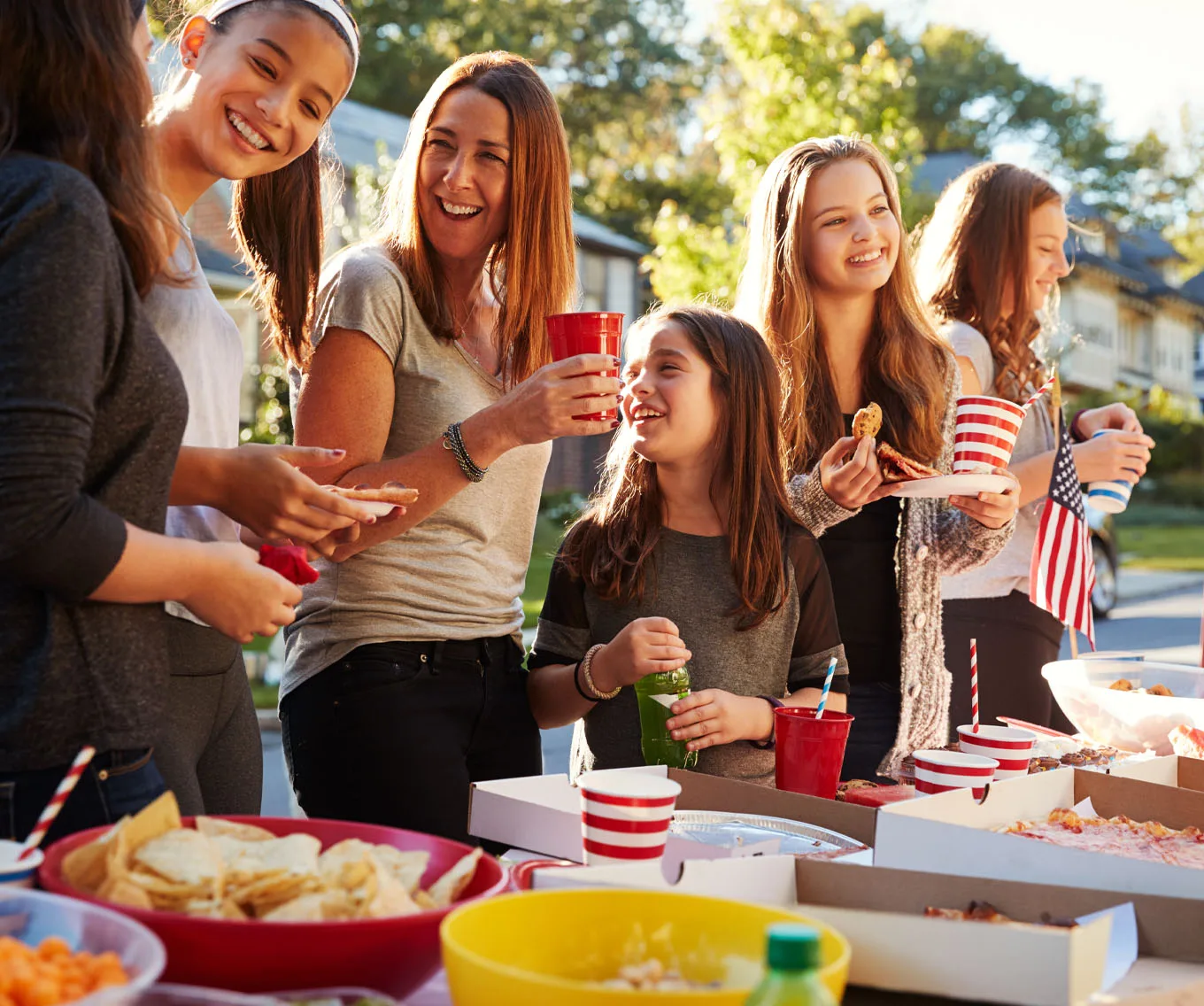
A block party is a neighborhood event where residents temporarily close their street to traffic so everyone can safely gather, eat, and play outside. Think of it as turning your quiet block into a shared backyard for an afternoon.
In the United States, block parties often happen on summer weekends or around holidays like Memorial Day, Independence Day, or Labor Day. The tradition dates back to World War I innovations in places like the East Side of New York City, where entire blocks would come together to honor community members who served in the war. Block parties gained popularity in the 1970s, especially within urban communities like the South Bronx, where they became a way to celebrate local culture and build neighborhood identity. This history highlights how block parties serve as a foundation for long-term neighborhood resilience and mutual support.
Hosting a block party helps homeowners build stronger relationships with neighbors, creating a greater sense of safety and shared experience. Neighborhood block parties can enhance safety and security by building relationships among residents, which studies link to decreased crime rates. You’ll find opportunities to share resources like lawnmowers or babysitting, and you’ll develop more pride in your block.
Imagine you moved into a new house in the spring. A July block party gives you the chance to meet families, retirees, renters, and long-time residents all in one afternoon—without knocking on dozens of doors individually.
Check local rules and permits
Many U.S. cities require a permit if you plan to close a street, use amplified music, or host a large group. Don’t worry—the process is usually straightforward.
Here are real examples of city programs:
- New York City’s “Play Streets” program has facilitated over 1,000 annual closures, requiring applications 4–6 weeks ahead
- Chicago’s alderman-issued permits are typically free and need similar lead times
Most permit applications ask for:
- Event date and rain date
- Start and end times (commonly 2 p.m. to 8 p.m.)
- Exact block location to be closed
- Estimated attendance
- Whether you will sell food or serve alcohol
Some cities require signatures from 75% of residents on the block. Use this as your first chance to knock on doors and introduce yourself as an organizer—it’s a natural icebreaker.
Permits may require basic safety steps: keeping a 10-foot lane for emergency vehicle access, setting up barricades, and keeping fire hydrants and driveways clear. Check your city’s police or transportation department website for specifics, and review any HOA rules that could affect noise or shared spaces.
Plan the basics: date, budget, and neighbors
Choosing the right day, time, and partners makes throwing a block party easier and more fun.
Pick a weekend afternoon in late spring, summer, or early fall. A Saturday in June or July works well—avoid August when many folks are on family vacation. Set a clear window like 2–7 p.m.
Form a small planning team of 2–5 neighbors to share responsibilities. Forming a planning committee of at least six neighbors can also help to organize the event smoothly and build excitement early on. Recruiting a co-leader to share the planning load can reduce pressure and make the event more enjoyable for organizers. This team can divide tasks such as:
- Two people for permits and promotion
- Two for food coordination
- One or two for activities and cleanup
Set a simple budget early. Typical low-cost items include paper goods ($50), name tags ($10), trash bags, and a portable speaker ($30). A rented bounce house runs $150–300 if you want an anchor attraction.
Cover costs through small voluntary donations, a “pay what you can” jar, or a local town business sponsor. Keep expectations accessible so every household—renters, new homeowners, long-term residents—feels invited to participate.
Spread the word and invite your neighbors
Communication sets the tone. Friendly, clear invitations help shy neighbors feel comfortable showing up.
Use multiple channels to reach everyone:
- Paper flyers on each door
- A simple email list or group text thread
- Neighborhood apps like Nextdoor or a private Facebook group
- Social media posts for broader reach
Every invite should include:
- Date, time, and street closure window
- What to bring (chairs, a dish to share, sunscreen)
- Contact info for questions
- A quick RSVP option (QR code to a Google Form works well)
Personal touches matter. Knock on doors to say hello, especially to older neighbors, parents with young children, or anyone who might need help getting outside. Ask about dietary needs and note if the street location is flat and accessible for wheelchairs or strollers.
Spreading the word about the block party by distributing flyers helps create a welcoming atmosphere and encourages participation. It also offers a chance to share the story behind the event, such as celebrating a new year’s eve gathering or a community milestone.
Food and drinks that keep it simple
Food is often the heart of the celebration, but it doesn’t need to be complicated.
A potluck-style approach works best: each household brings one item while organizers provide basics like hot dogs, veggie burgers, buns, and condiments. This keeps costs under $2 per person.
Assigning food contributions by address can help ensure variety and avoid overlap. Use folding tables from neighbors’ garages as buffet stations. Group items into sections:
- Savory dishes
- Kid-friendly stuff
- Desserts
- Drinks
For safety and comfort:
- Keep coolers with ice for perishable items (below 40°F)
- Provide plenty of water jugs—dehydration risks rise in summer crowds
- Mark allergen-heavy dishes clearly (nuts, shellfish)
- Keep alcohol separate from kids’ areas if your permit allows it
Family-friendly drinks like lemonade, iced tea, and fruit-infused water are always popular. If interested neighbors want to bring something stronger, make sure it follows local laws.
Games, music, and activities for all ages
Think of your street as a temporary car-free playground where kids and adults can relax and play together.
Block parties often feature communal activities such as music, games, and dance. Popular group dances like the electric slide, the Macarena, or line dancing encourage participation and fun.
Activities for Children
- Sidewalk chalk murals
- Water balloon tosses
- Hula hoops and frisbees
- Bike decorating station
Anchor Activities
- Bounce house
- Simple talent show
- Cornhole tournament
Activities for Adults and Older Neighbors
- Lawn games like bocce or ladder toss
- Card tables in shaded areas
- Comfortable seating for conversation
Play music through a shared playlist on a portable speaker at reasonable volume—respect local noise rules so the fun can occur without comments from nearby residents who don’t attend.
Consider setting aside a corner with a small table for neighborhood contact sheets, community resources, and information about local services. This creates a natural gathering spot without putting anyone on the spot.
Using ice breakers such as conversation prompts or name tags can help facilitate interactions among neighbors who may not know each other well. This helps everyone hang out comfortably and share stories.
Day-of logistics and safety
With a simple checklist, event day can feel calm instead of hectic.
Timeline
- Place barricades when your permit allows (typically 1 p.m.)
- Set up tables and chairs by 1:30 p.m.
- Mark off driveways with cones
- Designate trash and recycling spots
Cleanup during a block party can be organized by assigning specific roles for garbage removal and recycling, ensuring the street looks good afterward and future events stay welcome.
Assign Informal Roles
- Welcome greeter at the sign-in table
- Food coordinator to manage the buffet
- Kids’ activity helper
- Cleanup lead
Safety Essentials
- Keep a clear 10-foot lane for emergency access
- Have a first-aid kit available
- Tape down any extension cords
- Plan for weather—shade tents for sun, garages or porches for rain
Encourage respectful behavior: reasonable quiet hours, helping non-participating neighbors navigate closures, and keeping the street free of glass and debris. A clean post-event street prevents future permit issues and helps secure ongoing support from local authorities.
Use your block party to build long-term connection
The real value of a block party is what happens afterward. Neighbors know each other’s names and feel more comfortable asking for help throughout the year.
Pass around a simple sign-up sheet or QR code where neighbors can share contact info if they choose. This creates a block directory that lasts beyond the celebration.
Strong social connections among neighbors are linked to decreased crime rates and greater community safety. Personal connections made during block parties lay groundwork for collective actions such as advocating for community improvements.
Next steps to keep momentum:
- Form a neighborhood text group
- Plan a fall chili night or winter cookie swap
- Organize a spring cleanup day
Strong neighborhood relationships make big decisions—like renovating, refinancing, or considering a move—feel less overwhelming. You can hear real-world experiences from members of your community who’ve been through similar situations.
Annual block parties build on this sense of connection year after year, creating a tradition that strengthens your block.
If you’re thinking about buying a home in a neighborhood you love, refinancing your existing mortgage, or using home equity for improvements, talk to a licensed loan officer at CrossCountry Mortgage when you’re ready to explore your options.
Frequently asked questions
-
Start 6–8 weeks before your target date. This gives you time to apply for permits, gather neighbor signatures, and adjust if the city has questions. Popular summer weekends fill up fast, so check your city’s website for specific deadlines. Smaller gatherings on private property may need less lead time, but permit deadlines should always control your schedule.
-
No. You can gather in front yards, driveways, or a nearby park if a full closure isn’t possible. Without a permit, cars must pass freely and you cannot block traffic with homemade barricades. Treat it as a “mini block party” with potluck food, lawn games, and meet-and-greet time adapted to your space.
-
Focus on potluck-style food, borrow lawn chairs and tables, and use games neighbors already own. Set voluntary contributions that are truly optional. A local café or hardware store might donate ice or cups in exchange for a simple thank-you sign—sponsors help offset shared supplies without burdening households.
-
Many blocks have mixed schedules, backgrounds, and past tensions. A block party offers a low-pressure way to reset. Focus on neutral, friendly activities and avoid sensitive topics like politics. Name tags and icebreaker games help conversations happen naturally so no one feels singled out.
-
Feeling comfortable with neighbors makes your home feel safer and more valuable to you personally. Neighbors can share experiences with renovations, local contractors, or even refinancing decisions. If you’re curious about buying, refinancing, or tapping home equity, connect with a CrossCountry Mortgage loan officer when you’re ready to explore options.