
-
- monday: 8:00AM – 5:00PM
- tuesday: 8:00AM – 5:00PM
- wednesday: 8:00AM – 5:00PM
- thursday: 8:00AM – 5:00PM
- friday: 8:00AM – 5:00PM
-
Your Local CrossCountry Mortgage Loan Officer
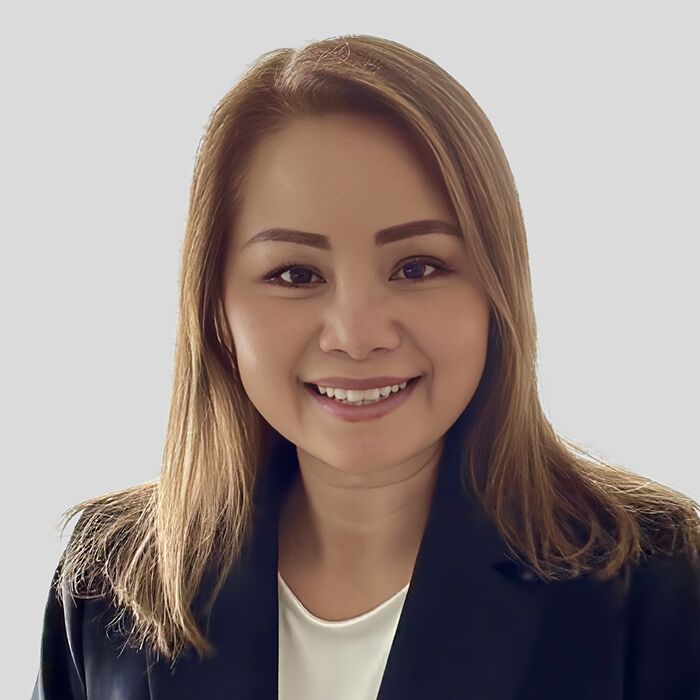
Nadia Raknai Brighton



- Senior Loan Officer
- Seattle, WA Mortgage Loan Officer
- NMLS # 484350
America’s #1 Retail Mortgage Lender
Hello! My name is Nadia Raknai, and I’m a loan officer serving homebuyers and homeowners from Seattle, WA with support from America’s #1 Retail Mortgage Lender.
I joined the mortgage industry in 1998 and have spent more than 28 years helping clients navigate the home financing process with confidence. I specialize in FHA, VA, conventional, jumbo, first-time homebuyer and refinance loan programs, providing personalized solutions tailored to each client’s goals.
With decades of experience, I pride myself on delivering knowledgeable guidance, exceptional service and clear communication throughout every step of the mortgage process. I’m also proud to be one of the few Thai-speaking loan officers serving clients throughout Washington and Oregon, helping even more families achieve their dream of homeownership.
Outside of work, I’m a proud Thai-American who enjoys traveling, hiking and spending time helping families build a brighter future through homeownership.



Nadia’s Reviews
My Videos
Guides and resources


My social posts
How much will your mortgage payment be?
Enter the basic loan terms (and additional information if you wish) to calculate your monthly mortgage payment and see a breakdown by category.
This calculator is being provided for educational purposes only. The results are estimates based on information you provided and may not reflect CrossCountry Mortgage, LLC product terms. The information cannot be used by CrossCountry Mortgage, LLC to determine a customer’s eligibility for a specific product or service.


Inspiration for your home loan journey



Frequently asked questions
-
Non-QM loans use expanded home financing criteria to give borrowers income and credit flexibility. From qualifying with bank statements or 1099 income to purchasing investment properties, Non-QM loans open doors to homeownership many don’t realize are available.
-
Also known as Investor Cash Flow loans, DSCR loans are designed to help real estate investors secure financing with their rental property’s cash flow. Instead of relying on personal income, DSCR loans use the debt service coverage ratio (DSCR) to qualify.
DSCR is calculated by dividing the monthly rental income by principle, interest, property taxes, homeowners insurance and association dues.
-
Since Non-QM loans don’t follow traditional guidelines, they’re considered riskier. That’s why lenders often require a higher down payment, interest rate and other terms.
But Non-QM loans are a safe financing option that benefits many homebuyers. Talk to a CCM loan officer to learn what’s right for you.
-
Bank Statement loans allow you to qualify for a mortgage using your bank statements instead of tax returns. These loans are designed for borrowers who have strong credit and finances but don’t have traditional income, like self-employed workers.
To qualify, you’ll use the average of your deposits over a 12- or 24-month period. If your work doesn’t provide a W-2, this may be the loan for you.
-
ITIN loans give you a way to qualify for home financing without a Social Security number. Instead, your Individual Tax Identification Number (ITIN) makes homeownership possible.
At CrossCountry Mortgage, we provide numerous ways to qualify using an ITIN. Bank statements, liquid assets, 1099 income and more can all be used to buy a home with our ITIN loan.
-
No. Conventional loans follow criteria established by the Consumer Financial Protection Bureau (CFPB). Non-QM loans use different standards that provide flexibility for borrowers who may not meet conventional requirements due to the type of home being purchased, financial circumstances or non-traditional income or employment.
-
Reverse mortgages allow homeowners age 62+ (55+ for some proprietary reverse mortgages) to borrow against their primary residence equity, and receive the funds as a lump sum, fixed monthly payment, or line of credit. The loan doesn’t have to be repaid until the borrower sells, moves out, or passes away. (Equity is the difference between what you owe on your home [mortgage] and your home’s worth.)
-
With a traditional mortgage, you borrow money to buy or refinance a home and make monthly principal and interest payments to the lender. With a reverse mortgage, you borrow money based on your home equity (and other factors) and receive the funds directly, but monthly mortgage payments are optional. You must pay property taxes, homeowners insurance, HOA dues (if applicable) and home maintenance.
-
There are pros and cons to reverse mortgages, so it’s best to meet with an experienced reverse mortgage loan originator to understand if it’s the right choice for you. It’s important to know that there’s a lot of misinformation about these loans, so listening to a knowledgeable source is a good first step.
-
HECM stands for Home Equity Conversion Mortgage. It’s a Federal Housing Administration (FHA) insured reverse mortgage for borrowers age 62 and over. By far the most popular type of reverse mortgage, you can use it to borrow funds and stay in your current home or buy a new home if you want to relocate or rightsize. It’s for your primary residence only.
-
The most common reverse mortgage is the Home Equity Conversion Mortgage (HECM), followed by the proprietary reverse mortgage (often a jumbo loan) and the single-purpose reverse mortgage (funded by a nonprofit, state or local government).
-
You don’t need to repay the loan until you no longer occupy your home as your primary residence. The loan is most often repaid through the sale of the property, but it can also be paid through a refinance. Any remaining equity after paying off the reverse mortgage belongs to the borrower or their heirs.